

A mountain destination can attract visitors in several seasons while creating very different demands on the businesses serving them. That distinction matters for winter retailers considering how far to extend beyond the ski season.
A broader mountain market
Knight Frank’s latest Alpine research examines snow management, investment and the rise of year-round tourism. Its analysis of Aspen airport passenger data reports that summer arrivals increased 20% between 2019 and 2025, slightly ahead of winter growth.
This is a destination-specific observation from property-market research. It is not evidence that every ski resort or mountain retailer will benefit equally from a longer visitor season.
Winter Insight analysis: identify the actual customer
A retailer assessing a summer offer could begin with the activities visitors can genuinely access nearby. Walking, cycling or sightseeing may involve different equipment needs and different expectations of staff expertise.
The first question is whether existing customers are asking for products or services the shop can credibly provide. Extending a range because a destination has more visitors can tie up stock without establishing why those visitors would enter the shop.
Keep the seasonal offer coherent
A small trial could concentrate on a clear use case and a defined customer. Staff should be able to explain how the selection fits that activity, while making the limits of their advice clear.
A winter business also needs to consider what happens when both seasons overlap operationally. Storage, deliveries and staff training can become more complicated even if the sales floor looks straightforward. A plan should account for that work before orders are placed.
Ask partners about the complete journey
Hotels, activity providers and local businesses could compare the questions guests ask before arrival. A referral arrangement may help visitors find qualified instruction, appropriate equipment or current destination information.
Each partner should remain clear about its responsibilities. A retail recommendation should not imply that a route, activity or weather condition has been assessed when it has not. Reliable introductions depend on accurate boundaries as well as enthusiasm.
Judge a trial on its own terms
Sales, stock turn and staff time would help evaluate a seasonal extension. Feedback could also show whether customers understood the offer and found the advice useful.
A year-round destination creates possibilities. The business case still needs to be built at shop level, around a manageable range and the people qualified to support it. A focused service that works is a stronger foundation than a broad claim to serve every mountain activity.
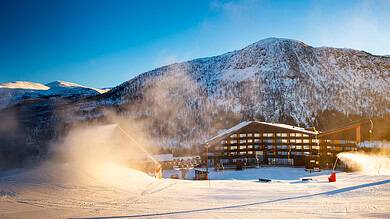
Illustrative mountain image: WeSki.