

A winter trade show can produce a notebook full of interesting products and still leave the buying decision unresolved. The difference between a useful visit and a busy one is often the work done before entering the hall: knowing what the business needs to learn, which assumptions it needs to test and how the answers will be compared afterwards.
Slide & OTS Winter’s official website lists the 2027 show at Exhibition Centre Liverpool on 12–14 January. Published opening hours are 9am–6pm on the first two days and 9am–4pm on the final day. The organiser positions it as a place to examine the following winter’s products and make decisions about brands and ranges.
Start with the questions left by this winter
Before booking appointments, review the current season’s evidence. Identify useful sizes that have been difficult to obtain, categories where staff struggle to explain the range and products that attract attention but do not convert. Separate those issues from personal enthusiasm for an attractive sample.
Write a short buying brief that colleagues can challenge. It should explain the customer, the intended role of each category and the gaps that need attention. A concise brief gives a sales representative something concrete to respond to and helps keep the appointment focused.
Include the things working well. A buying trip is not only about replacing weak products or adding new brands. Understanding why an existing range succeeds can prevent a fashionable alternative from displacing something customers already understand and staff can support confidently.
Give appointments different purposes
Not every meeting needs the same agenda. An established supplier may require a detailed review of availability, support and the next range. A prospective brand may need to explain its place in the store, distribution arrangements and the resources required to launch it properly.
Tell the representative what you want to cover before the show. Ask for the relevant person or information to be available. An appointment spent discovering that the answer belongs to someone else is time neither business can recover easily.
Leave room between fixed meetings for notes and comparisons. A tightly packed diary can create the impression of productivity while making it impossible to remember why one offer suited the business better than another. Discovery time is useful too, provided it does not erase the core questions.
Compare ranges through the customer
When looking at a product family, ask how it will be explained in store. What changes between the options? Which rider is each intended to serve? How do size, fit and compatibility affect the recommendation? The answers should remain meaningful when separated from the stand’s presentation.
Try to distinguish a useful extension from duplication. Two products can have different graphics and similar roles, while a less visually striking addition may solve a genuine fit or size gap. A coherent range helps staff make recommendations without overwhelming the customer.
Consider the complete setup where categories interact. Boots, bindings and boards need a conversation about compatibility and intended use. Outerwear, gloves and layers need a conversation about fit and the conditions customers actually encounter. The buying plan should support those conversations.
Ask about the service behind the sample
A show sample demonstrates the product, but a supplier relationship is tested through delivery, availability and problem-solving. Ask how information reaches the retailer, who handles technical questions and what happens when a part or size is unavailable.
Discuss training in practical terms. A promise of support becomes useful when the format, timing and intended audience are clear. Ask whether seasonal staff can access the material and whether it explains the questions customers commonly ask rather than only repeating the catalogue.
Clarify care, repair and warranty routes without assuming that every issue follows the same process. The retailer should know what information is needed, who makes the decision and how the customer will be kept informed. Record the answer while the relevant representative is present.
Keep the commercial comparison consistent
Use the same headings for each relevant supplier. Include delivery windows, order conditions, replenishment possibilities and the operational work required to introduce the range. A consistent comparison makes the decision easier to assess when the atmosphere of the show has faded.
Keep confirmed information distinct from an indication or a proposal. If an answer depends on final production details, mark it for follow-up. Do not allow a hopeful conversation to become an internal assumption that another colleague later treats as a commitment.
Photographs and notes should identify the product clearly and respect any restrictions on samples or unreleased material. Record the context as well as the image. A close-up of a component is less useful later if nobody remembers which model or intended specification it represented.
Plan the return to the business
Set aside time after the show to review the findings with the people who will sell and support the products. Ask what each proposal changes for the customer, what work it creates and which existing products it might replace. Resolve missing information before treating the range as settled.
Send suppliers a concise follow-up with the outstanding questions and the next decision date. This keeps the relationship moving without requiring everyone to reconstruct a conversation held in a noisy hall. It also gives both sides a chance to correct misunderstandings early.
A useful show visit should leave the business with fewer unresolved assumptions. Some decisions may be to continue with an existing supplier, narrow a category or postpone an addition until support is clearer. Those outcomes can be just as valuable as discovering a new brand.
Make the visit earn its place
Slide & OTS Winter brings products and trade contacts into the same place. The buyer’s job is to turn that access into evidence that improves the range. Arrive with a brief, ask comparable questions and reserve time to assess the answers.
The strongest result is a plan staff can understand and customers can experience: suitable products, clearer explanations and dependable support. That is a more useful measure of the trip than the number of stands visited or samples photographed.
Winter Insight trade planning analysis, researched on 16 November 2026. Confirm show arrangements with the organiser before travelling.
Source: Slide & OTS Winter official show information.
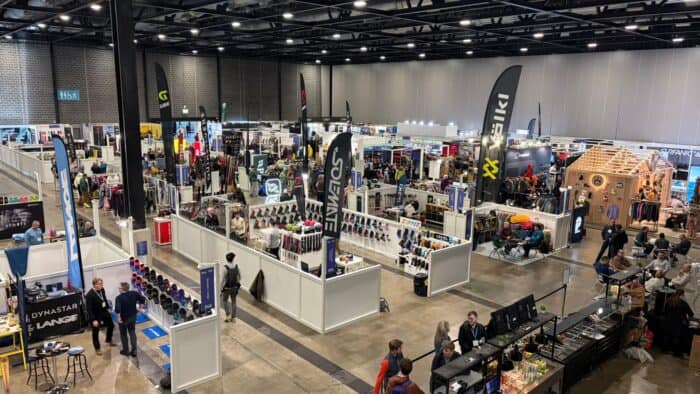
Featured image: archive trade-show photograph from the official Slide & OTS Winter website.